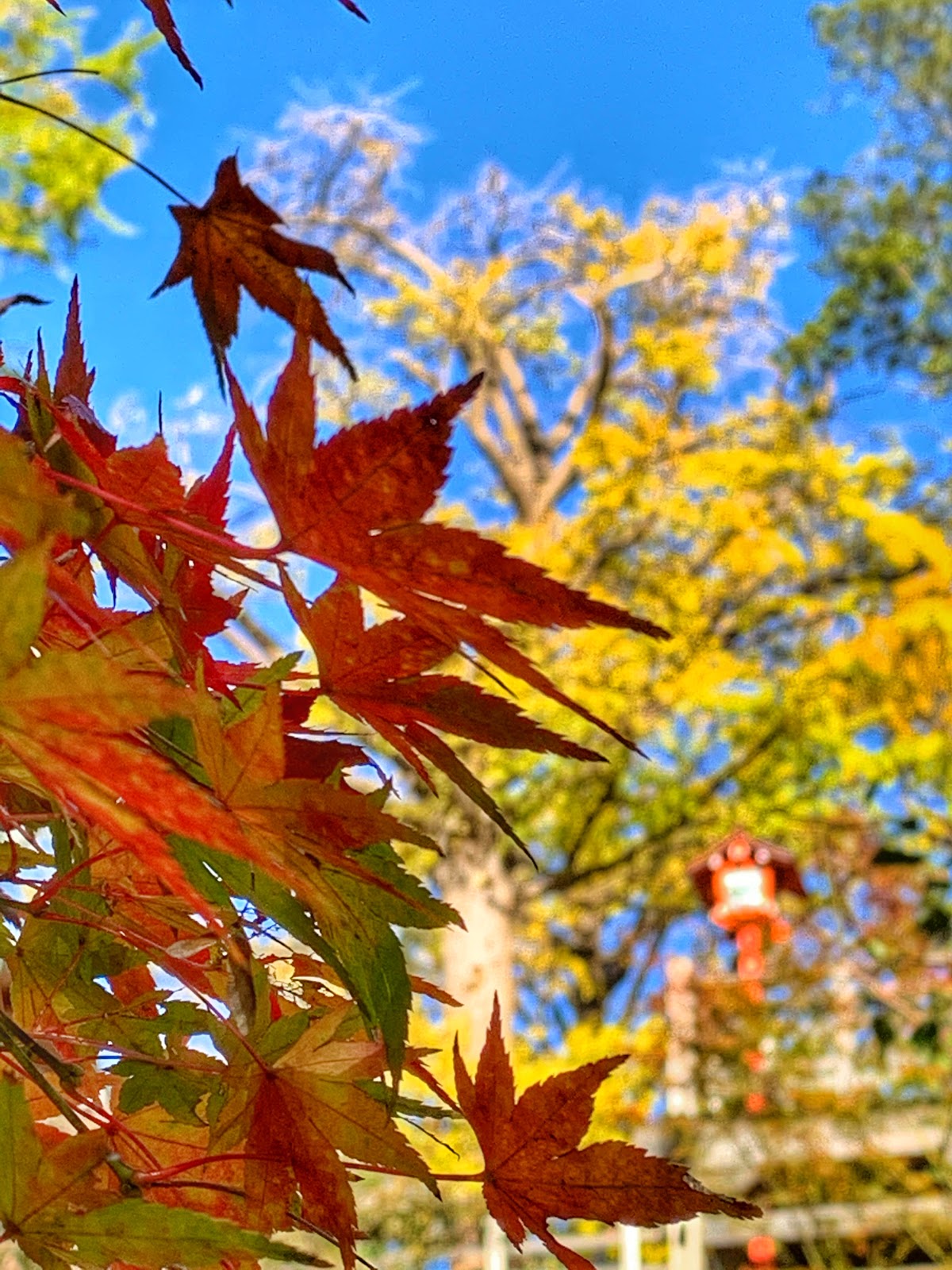
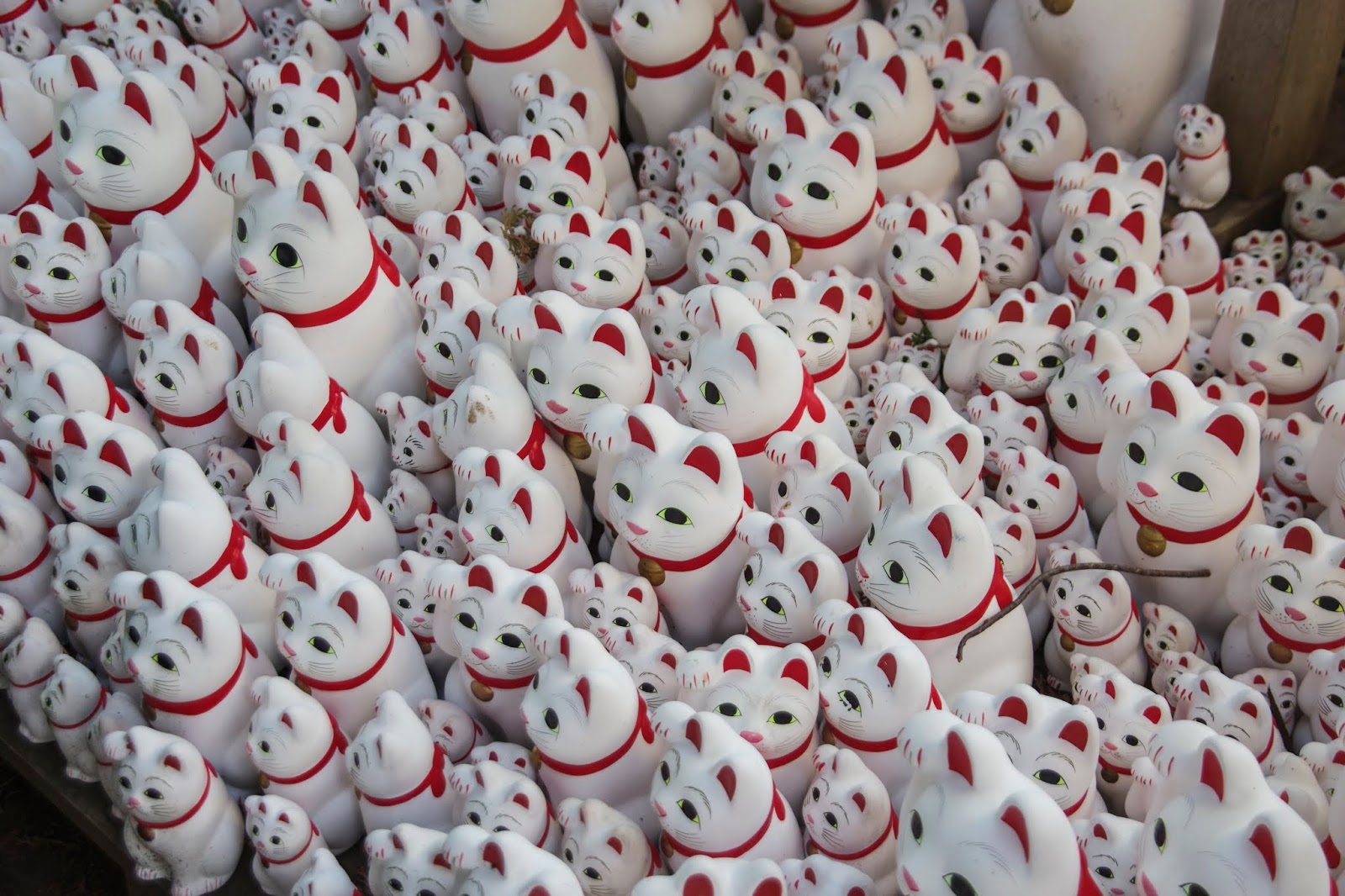
Sakura and lanterns - two of my favorite things - so Japanese- at a Shrine. Daiyuzan Saijo-ji Shrine was a beautiful Buddhis Temple complex, on an isolated hill in a forest in Kanagawa Prefecture. Several trains and buses and walking to finally get there, but well worth the effort - peaceful, serene and beautiful.
A photo blog from Tokyo. A blog started in 2014 in Chiangmai, then moved to Vientiane, continues now in Japan. Daily photos and some stories to share my life in Tokyo with friends, families and others.
Showing posts with label shrine. Show all posts
Tuesday, 2 June 2020
Friday, 29 May 2020
Senso-ji Shrine
Senjo-ji is Tokyo's oldest temple. Normally thriving with crowds of visitors -tourists and locals, it was incredibly empty on my last visit. The lanterns were still glowing.
Sunday, 10 May 2020
Sunday Kimono 27- Wedding Guests
More wedding guest in kimono at Kitaguchi Hongu Fuji-Sengen shrine. Taken during my visit in March. Love the gold handbag, shoes/thongs (zori? ) and obi.
Tuesday, 5 May 2020
Sunday, 3 May 2020
Sunday Kimono 26 Shiromuku Wedding Kimono
When visiting a shrine near Mt Fuji last month I was lucky enough to witness the arrival of bride and her wedding party. The white kimono was beautiful. The fabric had an intricate crane pattern. See below for an explanation of white bridal kimonos.
Shiromuku is a wedding kimono originally worn at weddings in samurai families, the shiromuku has become one type of wedding kimono worn by brides in Japan. White has symbolized the sun’s rays since ancient times, and from the Heian period, pure white bridal kimonos became prized. The shiromuku stands out due to all its parts — over-robe, under-robe, obi sashi, etc.. — being pure white. Brides at the wedding in shrines always wear white clothes. Why Japanese brides have such custom to be covered with only white things on a day of wedding ceremony? It’s because “white” has been regarded by Japanese people as a symbol of pureness, cleanness or virginity. “White” can be dyed with any color, so shiromuku means that brides are ready to be dyed with color of groom. “White” has also been regarded as a sacred color for many years, so Japanese people have believed shiromuku to be suitable for the wedding ceremony held at sacred and religous places.
Thursday, 30 April 2020
Torii Gates at Hie Shrine
The tunnel of 90 torii gates at Hie Shrine, make it an "instagrammeable" site in Tokyo, but in times of social isolation it was very quiet. The seasonal azaleas added to the colour.
Wednesday, 29 April 2020
More Wisteria
While only covering one trellis at Hie Shrine the wisteria makes an impact, both up close and in the greater context of the shrine.
Tuesday, 21 April 2020
Sakura in the Cemetery
Cemeteries are sites for peak Sakura viewing. These were taking in Yanaka cemetery during my Spring break in March. Yanaka is an old neighbourhood in the north of Tokyo. The cemetery was originally the graveyard for Tennoji Temple and the Sakura-dori was the entrance way to the temple.
The cemetery covers over 10 hectares.
It is the final resting place for many famous people in Japanese history, including Tokugawa Yoshinobu, the last shogun of Japan and the novelist Ichiyo Higuchi (1872-1896) who appears on the 5,000 yen note.
Friday, 17 April 2020
Tuesday, 14 April 2020
Gingko in Spring
New Gingko leaves. Spring is springing here in Tokyo.
Same tree, different angle, back in October 2019.
Monday, 13 April 2020
Sakura and Maple
The fresh spring green of new maple leave with Sakura at Khombatsu shrine on the site of the Old Okusawa castle. Not quite in my neighbourhood, as short bike ride away and close to "Punk Doily" an Australian baker who sells hot cross buns.
Sunday, 29 March 2020
Thursday, 19 March 2020
Cherry Blossoms
And so it starts. Not sure what type of cherry this is, (or if it is a cherry blossom???) but these vibrant pink blossoms at a shrine in Tokoroki gorge show the season has started. An early variety different from the Sakura planted on masse in Tokyo, but still gorgeous.
Monday, 16 March 2020
Winter Ginkgo
My obsession with ginkos continues into the winter. No bright yellow but still majestic trees. These are at the shrine where I took yesterday's wedding kimono photos.
These photos show the trees back in autumn.
Added in a video to show the snow/sleet on Saturday afternoon.
Sunday, 15 March 2020
Sunday Kimono 18 - Wedding Photos
Wedding photo time in the fall at a shrine in Todoroki gorge. Uchikake are colourful outer garments, usually in bright colours, red or orange like this and worn for photos and after the wedding ceremony at the reception.
Friday, 13 March 2020
White Magnolia
Winter white. White magnolia flowers are blooming in the neighbourhood. This tree at riverside shrine was elegant in the sunshine last Friday.
Friday, 6 March 2020
Okusu - A 2000 year old tree
Thursday, 13 February 2020
More cat good luck
Ema boards with cat images at Gotokuji Shrine. Ema means picture horse. Worshippers write messages for good luck on the boards.
Wikipedia tells me
In ancient times people would donate horses to the shrines for good favor; over time this was transferred to a wooden plaque with a picture of a horse, and later still to the various wooden plaques sold today for the same purpose.Once inscribed with a wish, Ema are hung at the shrine until they are ritually burned at special events, symbolic of the liberation of the wish from the writer.
Wednesday, 12 February 2020
Beckoning Cats
The beckoning cats at Gotokuji Temple in Setagaya (my neighbourhood) are said to bring good luck. Even for me they were cute cats.
The porcelain statues were everywhere and are meant to bring good luck. There are several versions of the history of the shrine and the cats. The temple grounds were peaceful and zen like and cat free.
Monday, 10 February 2020
Shichifukujin on a Sunday
Shichifukujin Meguri is the seven lucky gods pilgrimage - a New Year tradition to invite luck into your life.
Of course Mary never arrives on time, so I visited seven shrines a month late!! Sunday I explored shrines in Nihonbashi. The aim is to visit shrines for seven deities.
- Ebisu – the god of prosperity, commerce, and fishing
- Daikokuten – the god of agriculture (hence his being called the “kitchen god”), prosperity, and commerce
- Bishamonten – the god of war who defends humans against evil spirits
- Benzaiten – the goddess of beauty and the arts
- Fukurokuju – the god of wisdom, good fortune, and longevity
- Jurojin – the god of longevity and good health
- Hotei – the god of happiness and good fortune
As I was a month late I missed any English documentation so I not sure I ticked all the deity boxes. It was interesting, especially watching the crowds at Suitengu Shrine which is famous, being visited as a shrine for safe childbirth and blessing for children. and at Koami Shrine Fukurokuju (virtue/longevity) and Benzai-ten (learning/wealth) are worshipped here.
Better late than never - I hope the visits bring me luck for 2020.
- Ebisu – the god of prosperity, commerce, and fishing
- Daikokuten – the god of agriculture (hence his being called the “kitchen god”), prosperity, and commerce
- Bishamonten – the god of war who defends humans against evil spirits
- Benzaiten – the goddess of beauty and the arts
- Fukurokuju – the god of wisdom, good fortune, and longevity
- Jurojin – the god of longevity and good health
- Hotei – the god of happiness and good fortune
Subscribe to:
Posts (Atom)